Clint Calleja
Tarxien crucifix restoration
RECOOP Ltd Diagnostic Lab
Curatorial Statement & Practice
Revisits the polychromed Tarxien crucifix through an internally illuminated intervention, funnelling light through calibrated channels derived from diagnostic X-ray imagery to interrogate presence, decay, and ongoing mediation.
Developed within the technical conservation facilities at RECOOP, Calleja examines the internal fractures, concealed joinery, and pigment degradation of sacred Maltese wooden sculpture. The resulting light interventions translate forensic data into contemplative spatial experiences.
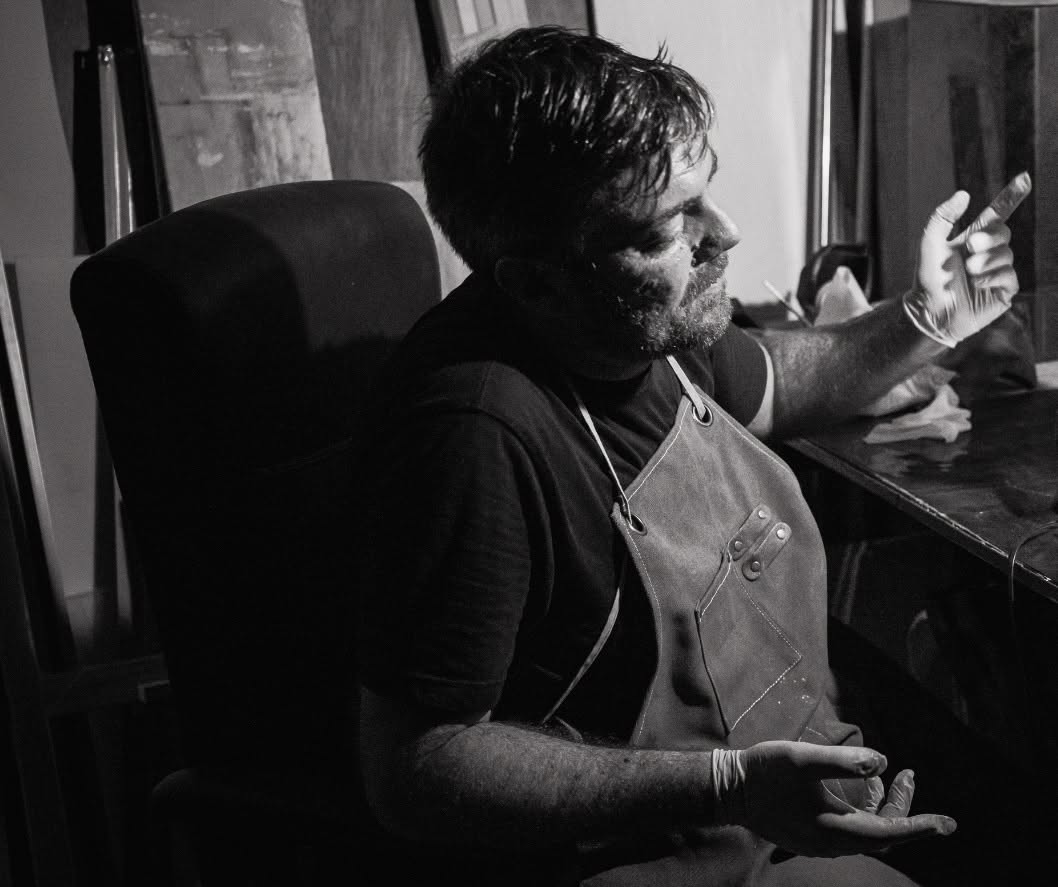
Clint Calleja documenting light distribution tests alongside pigment cross-sections and historical joinery scans.
Internal Channels (Radiografija)
Site-specific response / Tarxien crucifix restoration
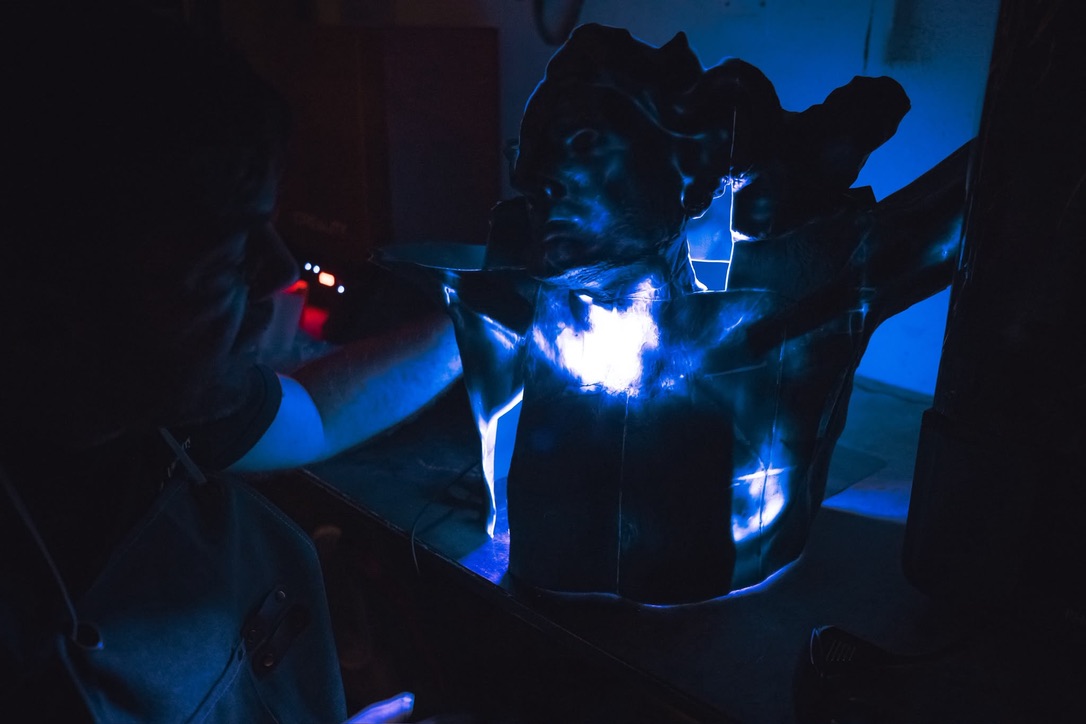


“Repurposing conservation X-ray diagnostic technology as its primary image source, the work funnels light through internally routed channels that trace the crucifix's hidden interior fractures, generating visibility from within rather than illuminating its exterior surface.”
- ArtistART-01-CC
- Clint Calleja
- MediumMED-XRAY-OPT
- Internally channeled luminescence following conservation X-ray imagery of the polychromed crucifix, acrylic channels, and structural armature
- DimensionsDIM-METRIC
- 192 × 135 × 40 cm
- Conservation siteLOC-TXN-ANN
- Parish Church of the Annunciation of the Virgin, Tarxien
Intervention locality
Parish Church of the Annunciation of the Virgin, Tarxien, Malta. Field diagnostic scans provided by RECOOP Ltd Conservation Laboratories.
The Tarxien crucifix
Polychrome Crucifix & Radiographic Survey
Technical dossier specifications
- Site
- Parish Church of All Souls, Tarxien
- Period
- Early 17th Century
- Medium
- Polychrome carved wood, gesso ground
- Diagnostic process
- Diagnostic Radiography & Structural Mapping
Conservation condition analysis
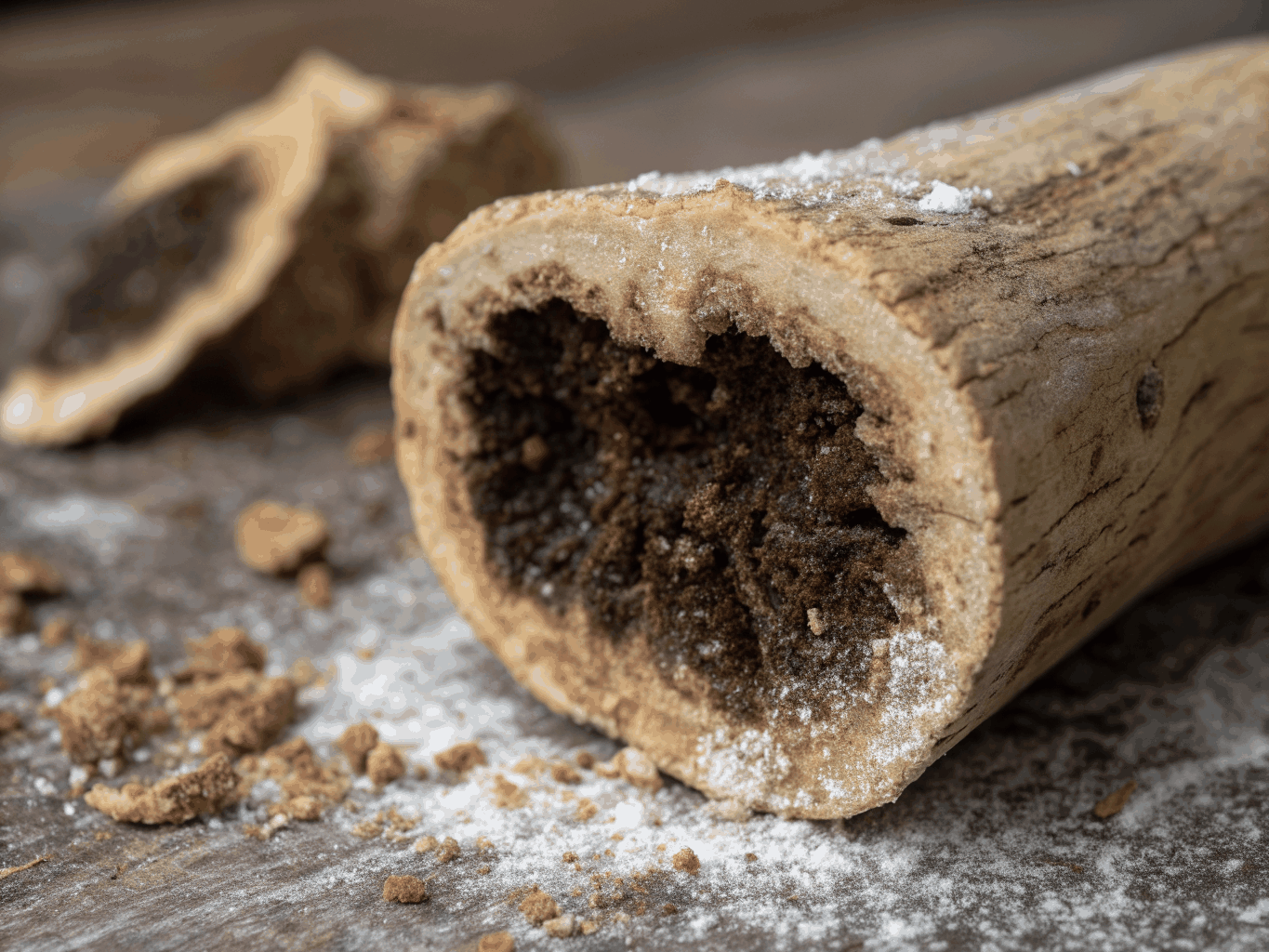
Diagnostic X-ray radiography carried out at the RECOOP laboratories exposed hidden structural anomalies within the torso and joined limb armatures. Centuries of climatic stress had degraded the internal dowel joints, leaving the fragile gesso matrix vulnerable to micro-fissuring.
Non-destructive radiographic penetration uncovers original sixteenth-century lime-wood carving beneath later devotional coatings. The concealed internal fracture lines informed contemporary interventions addressing historical stress and woodborer infestation.
Stratigraphy & historical trauma
“Engaging diagnostic X-rays and hidden underlayers, confronting historical trauma and physical vulnerability in dialogue with the Tarxien crucifix.”
The investigation reveals latent fractures within the timber structure and past interventions. Through surgical stratigraphy, the artists uncover material histories that register theological torment alongside centuries of environmental weathering and institutional memory.
Polychrome over gesso; micro-fissuring documented at the thoracic cavity.
Andrea Depasquale in active resonance with RECOOP diagnostic labs.
Scan to revisit this page.
Point your mobile camera to retain this conservation record on your handheld device.